
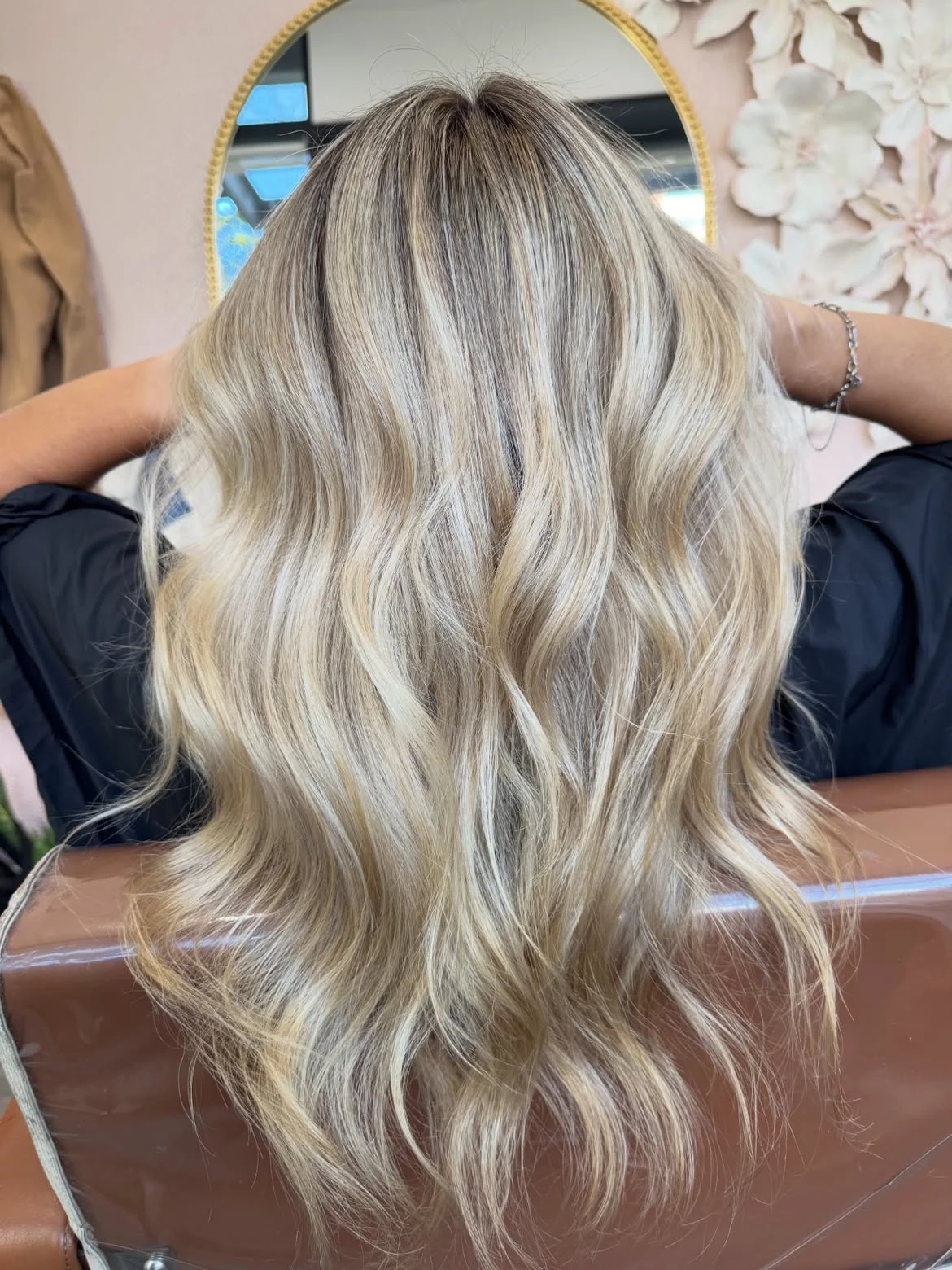
Extensions do not damage your hair when they are applied and maintained correctly. That is the honest, unglamorous answer. Almost every damage story I hear traces back to one of three things: a bad application, extensions worn far past their move-up window, or removal done at home instead of in a chair. None of those are inherent to extensions — they are all preventable.
I get asked this question at nearly every first consultation, usually by someone who has heard a horror story from a friend of a friend. It is a fair question to ask, so here is my honest, specific answer rather than a reassuring one-liner.
Almost every extension horror story I have heard traces back to application, not the extensions themselves.
The biggest myth: "extensions always damage your hair"
They do not, when installed and cared for properly. The bad outcomes you hear about — breakage, bald patches, matting — happen because of poor application technique, low-quality hair, or extensions worn well beyond when they should have been removed or moved up. Professional installation and a stylist who tells you the truth about your maintenance schedule make the actual difference.
Myth: extensions stop your hair from growing
This one is simply not how hair works. Your natural hair grows from the follicle at the scalp. Extensions — regardless of method — attach to the hair shaft, not the root, so they have zero effect on your biological growth cycle. If anything, many clients use extensions as a protective style specifically to shield fragile ends from heat and breakage while they grow out a cut or a colour correction.
Myth: extensions cause hair loss or baldness
The real, narrower version of this concern is traction alopecia — thinning caused by sustained tension on the scalp. It is real, but it is also rare and almost always traceable to one specific cause: extensions placed too tight, or left in far longer than the recommended maximum before a move-up. Give your natural hair its scheduled break at the root, and this risk essentially disappears.
Where damage actually comes from
When I do see damage on a new client who has had extensions elsewhere, it is almost always one of these:
- Tension at the base — extensions installed too tight, or with too much hair added to too small a section.
- Overwearing — going months past the recommended move-up window, so the bond travels down the strand and starts to mat.
- Home removal — trying to take extensions out without the right tools or solvent, which pulls on the natural hair instead of releasing the bond cleanly.
- Wrong method for the hair — heavy or high-tension methods placed on hair too fine or fragile to support them.
Every one of these is a decision, not an inevitability. That is the whole point of working with someone who tells you the truth about what your hair can handle, rather than what you want to hear.
What normal feels like versus what does not
Mild tightness or a heavier-than-usual scalp for the first day or two after installation is completely normal — your scalp is adjusting to new weight it has not carried before. Sharp, localized, or ongoing pain is not normal, and it usually means a section was placed with too much tension or too much hair. If that happens, contact your stylist — do not wait it out.
Mild tightness for a day or two is your scalp adjusting. Real pain is information, and it means something needs to be fixed, not endured.
How to keep it that way
Choose a method suited to your hair's actual density — see the best extensions for fine or thin hair if that is you. Keep your move-up appointments on schedule rather than stretching them. And always have extensions removed professionally, never at home. Follow that, and there is no reason a well-installed set should leave your natural hair any worse off than it started.
For the day-to-day habits that protect both your extensions and your natural hair underneath, read how to care for tape-in extensions so they last. Or if you would rather have this conversation about your specific hair, book a consultation and we can go through it properly.
Frequently asked
Do extensions stop your natural hair from growing?
No. Your hair grows from the follicle, at the scalp. Extensions attach to the hair shaft, well below the root, so they have no effect on your biological growth cycle whatsoever.
Can extensions cause hair loss?
Extensions themselves do not cause hair loss. Traction alopecia — thinning caused by ongoing tension — can happen when extensions are placed too tight or worn far past their move-up window. It is rare and it is preventable with correct placement and regular maintenance appointments.
Is some pain or tightness normal after getting extensions?
Mild tightness or heaviness for the first 24 to 48 hours is normal — your scalp is adjusting to new weight. Sharp, ongoing, or worsening pain is not normal and means something needs to be corrected. Contact your stylist right away if that happens.
Which extension method is gentlest on natural hair?
Tape-ins and well-placed K-tips are both considered gentle methods when installed correctly, because they distribute weight carefully and involve no ongoing pulling. Methods that concentrate tension or weight — large micro-links, heavy sew-in wefts — carry more risk if not placed by an experienced stylist.
Can I work out or swim with extensions in?
Yes, with a few precautions. Tie your hair back during exercise, avoid submerging tape bonds unprotected in chlorine or salt water, and wash out sweat within a day to prevent buildup and matting at the roots.
Ready to talk through your hair?
Book a consultation